Transport communications

Portcare International is the press relations consultancy for the shipping and logistics industry. Formed by transport people for transport people. We can truly claim to understand our clients’ needs and ‘talk the same language’. Portcare provide effective, value for money PR to some of the industry’s best-known names.

"K" Line

“K” LINE has Joined an International Think Tank “Global CCS Institute”

~Promoting the development of CCS-related businesses to realize a carbon-neutral society~

Kawasaki Kisen Kaisha, Ltd. (“K” LINE) has joined an International Think Tank “Global CCS Institute” (GCCSI). GCCSI is advancing worldwide deployment of CCS (Carbon dioxide Capture and Storage) technology which is necessary for the realization of a carbon neutral society.

CCS is a series of technologies for capturing carbon dioxide (CO2) emitted from power plants, refineries, and factories instead of releasing it into the atmosphere. The captured CO2 is then injected deep into the ground at a carefully selected and safe site, where it is stored. The CCS is a climate change technology that can achieve significant CO2 emission reductions thereby reducing greenhouse gas emissions which is key to the realization of a carbon neutral society in 2050.

“K” LINE is actively promoting CCS-related businesses. In the demonstration test of an onboard CO2 capture system, “K” LINE successfully separated and captured CO2 from the exhaust gas emitted from the vessel for the first time in the world. The result of the demonstration was achieved with the planned performance. (Note 1) In addition, “K” LINE is participating the demonstration project on CO2 ship transportation by New Energy and Industrial Technology Development Organization(NEDO) and conducting research and development that will contribute to the long-distance and large-scale transportation of CO2 in the future. The liquefied CO2 carrier for the demonstration test is being built as the world’s first demonstration vessel for the CCUS project, and “K” LINE is participating in the development of CO2 shipping technology by utilizing our technology and knowledge of safe operation and safe cargo handling of liquefied gas carriers which we have cultivated over many years. (Note2)

GCCSI was established by the Australian government in 2009 to promote the use of CCS technology worldwide, and currently has members from all over the world, including government, industries, and research organizations. GCCSI conducts surveys on the latest trends in CCS business and technology and holds subcommittee meetings to discuss the launch of international CCS projects in the future.

“K” LINE will keep abreast of the international CCS development and will accelerate its consideration of participation in CCS related business by joining GCCSI. We will continue to contribute to the realization of a carbon neutral society based on the “K” LINE Environmental Vision 2050 (Note 3).

Global CCS Institute Outline

The Global CCS Institute is an international think tank whose mission is to accelerate the deployment of carbon capture and storage (CCS), a vital technology to tackle climate change and deliver climate neutrality and it promotes research, knowledge sharing and awareness raising on CCS related trends. The diverse international membership includes governments, global corporations, private companies, research bodies and non-governmental organizations.
https://www.globalccsinstitute.com/

NEDO Demonstration Project: The World’s First Demonstration Test Ship for Liquefied CO2 Transportation to be Built

~Demonstration test ship for Liquefied CO2 transportation to CCUS Bareboat charter contract and tank system purchase contract is signed~

Engineering Advancement Association of Japan (ENAA) and Sanyu Kisen Co., Ltd (Sanyu Kisen) have signed the bareboat charter contract of a demonstration test ship for Liquefied CO2 (LCO2) transportation and tank system purchase contract.

ENAA has been leading the development of a demonstration test ship and been developing LCO2 tank system specifications. Sanyu Kisen has ordered manufacture the tank system based on the R&D by ENAA and construction of a demonstration test ship equipped with its tank system to Mitsubishi Shipbuilding Co, Ltd., a member of the Mitsubishi Heavy Industries Group (MHI). The vessel will be built at the Enoura Plant at MHI’s Shimonoseki Shipyard & Machinery Works.

Upon building completion and the delivery, ENAA will charter the demonstration test ship from Sanyu Kisen to carry out research and development and demonstration tests for establishing LCO2 ship transportation technology.

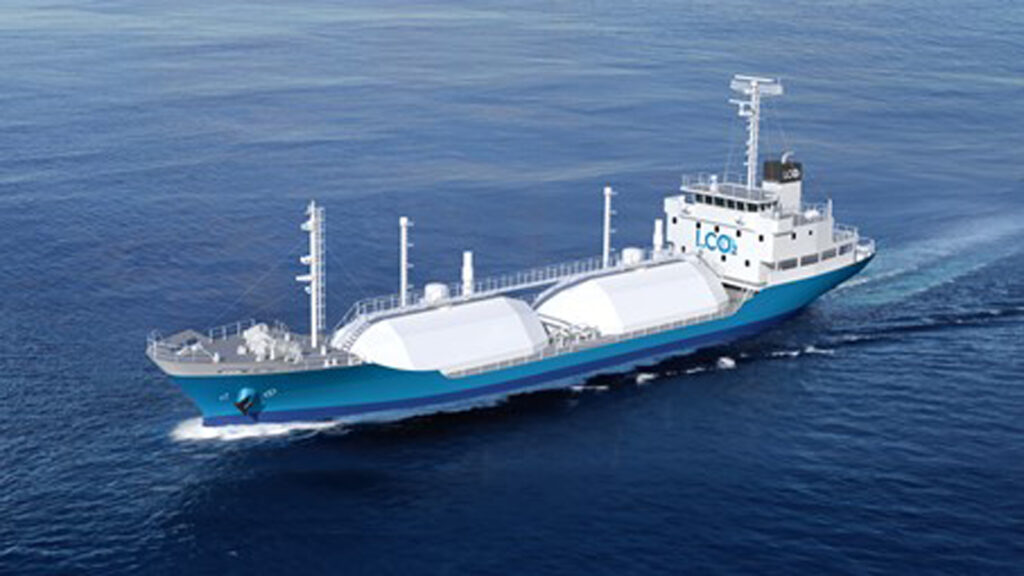
The vessel is the demonstration test ship to transport LCO2 for Carbon Capture, Utilization and Storage (CCUS) project expected to be the first of its kind in the world.

ENAA will operate the vessel from the second half of FY2023 for “CCUS R&D and Demonstration Related Project / Large-scale CCUS Demonstration in Tomakomai / Demonstration Project on CO2 Transportation / R&D and Demonstration Project for CO2 Marine Transportation” (the demonstration projects), which have been conducted by New Energy and Industrial Technology Development Organization (NEDO) since June 2021.

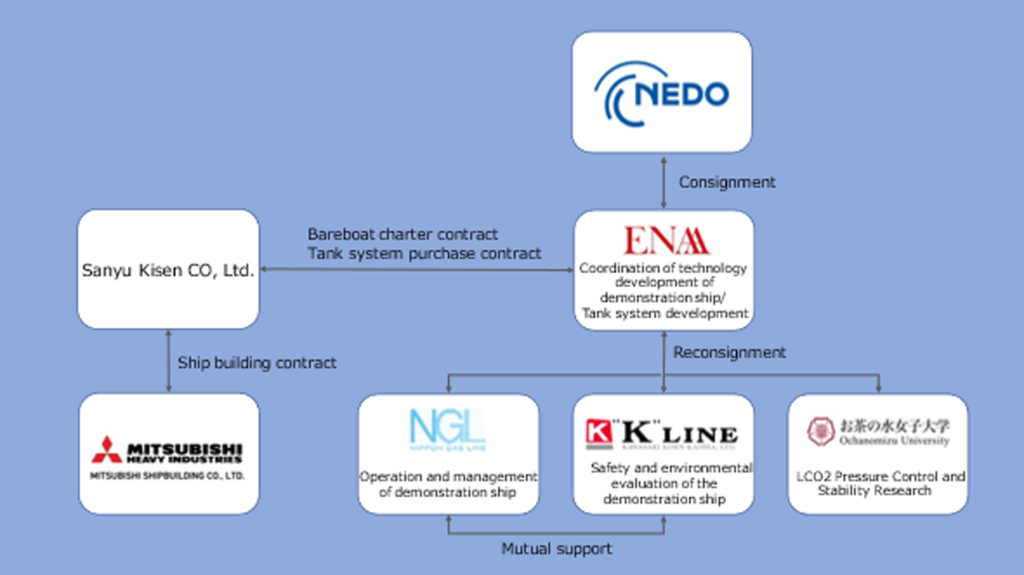
ENAA, Kawasaki Kisen Kaisha, Ltd. (“K” LINE), Nippon Gas Line Co., Ltd. (NGL), and Ochanomizu University will accelerate R&D of the LCO2 transportation technology and contribute to cost reduction of CCUS technology and LCO2 safety, long-distance and large-scale transportation. In the demonstration project, we plan to use the vessel to collect operational data under various loading conditions and in various weather and sea conditions.

ENAA takes charge of planning, evaluation, analysis and coordination of R&D and demonstration project of LCO2 ship transport technology and tank systems.

“K” LINE promotes R&D on the safety and environmental evaluation of the demonstration LCO2 carrier, backed by extensive experience in operating and managing of its ocean-going liquefied gas vessels.

NGL takes charge of operating and managing the demonstration test shipbased on 60-year experience of pressurized liquefied gas carriers.

Ochanomizu University conducts fundamental research on the control of carbon dioxide state (phase change) and provide the information necessary for safe transportation studies.

ENAA, “K” LINE, NGL, and Ochanomizu University will contribute to realizing the carbon neutral society through this demonstration project.

Image of the demonstration test ship for LCO2 transportation

Mitsubishi Shipbuilding Co, Ltd all rights reserved

General Particular

Cargo tank capacity    :1,450

Length overall             :72.0m

Breadth                       :12.5m

Draft                            :4.55m

Demonstration structure and roles of each company

Joint project on “Mass-production and Cost Reduction of Floating Offshore Wind Installation” adopted as Green Innovation Fund

“K” Line Wind Service, Ltd., a joint venture company between Kawasaki Kisen Kaisha, Ltd. (“K” LINE) and Kawasaki Kinkai Kisen Kaisha, Ltd.(*1), together with Japan Marine United Corporation, Nihon Shipyard Co., Ltd. and Toa Corporation is pleased to announce that the project of “Mass-Production and Cost Reduction of Floating Offshore Wind Installation” was officially adopted as Green Innovation Fund for “Cost Reduction for Offshore Wind Power Generation Projects”

In order to achieve the Japanese government target of carbon neutral by 2050, development of renewable energy is essential. The offshore wind power generation will play an important role in this target with its potential as major energy source and economic growth brought by the supply-chain development in Japan. With limited shallow water for Offshore Wind installation around Japan, there is a high expectation of floating offshore wind which can be developed despite of the depth of ocean. To develop the floating offshore wind, the technology for mass-production and cost reduction needs to be achieved.

Having above understanding, the consortium targets to develop mass-production method and cost reduction of floating foundation, mooring/anchoring system, installation at sea in every aspect of EPCI (Engineering, Procurement, Construction and Installation).

The role of each consortium member shall be as per the chart.

CompanyMajor Role
Japan Marine United CorporationDevelopment/Manufacturing of floating foundation and EPCI of floating offshore wind projects Optimization of Floating Foundation Mass-production of Floating Foundation Optimization of Hybrid Mooring system Development of cost competitive procedure in floating offshore wind installation (Turbine assembly and floating foundation installation)
Nihon Shipyard Co., Ltd.Engineering of floating foundation and development of offshore support vessels for offshore wind projects Optimization of Floating Foundation Engineering for mass-production of Floating Foundation Engineering for Hybrid Mooring System Engineering for cost competitive procedure in floating offshore wind installation (Turbine assembly and floating foundation installation)
“K” Line Wind Service, Ltd.Development of floating foundation installation Cost competitive installation procedure
Toa CorporationDevelopment of turbine assembly Cost competitive assembly procedure

“K” Line Wind Service, Ltd. is determined to contribute to floating offshore wind development by developing optimal and cost competitive procedure in installation of floating foundation (*2) with the experience and know-how “K” Line group gained through the Offshore Support Vessel operations.

(*1) “K” Line Wind Service, Ltd

A joint venture company established by Kawasaki Kisen Kaisha, Ltd. and Kawasaki Kinkai Kisen Kaisha, Ltd. on June 1st, 2021 targeting the contribution to Offshore Wind in Japan throughout the marine solution that the group have developed in the history of 100-year.

“K “Line – Posted Message for CDP2021 “A List” Award

Earning Highest Rating “A” for Six Consecutive Years

On January 19th, CDP2021 “A List” award, hosted by CDP Worldwide-Japan, was held online and Yukikazu Myochin, President & CEO of “K” LINE delivered message as one of “A List” company in the event. The video message is posted on “K” LINE’s YouTube channel.

“K” LINE YouTube channel  https://youtu.be/jn7bIMZ1gJY

“K” LINE corporate website  https://www.kline.co.jp/en/index.html *accessible from banner

“K” LINE was selected as “A List 2021”, the top rating, on climate change from CDP, which is a non-profit global organization (NGO) engaging in activities for realizing sustainable economy, on December 7, 2021. In this year, due to stricter evaluation criteria, the number of recognized “A List” companies have decreased from 280 in the previous year to 200 in this year, of which 55 are Japanese companies.

2022 New Year Message from the President

“Boldly and deliberately entering a new phase in a year we will take a stride toward the future”

The New Year Message delivered by Yukikazu Myochin, President & CEO at “K” LINE

Yukikazu Myochin, President & CEO at “K” LINE

To everyone throughout the entire “K” LINE Group, I extend my very sincerest Happy New Year wishes.

The environment surrounding “K” LINE

The global economy is generally continuing to recover from the impact of COVID-19. Although the future spread of COVID-19 and timing of the end of pandemic remain uncertain, the progress of vaccinations and the economic stimulus measures such as financial support from national governments will contribute to continuing to maintain the trend of recovery, and I expect there will be a further shift from recovery supported by policy effects to autonomous recovery in the global economy from 2022. Meanwhile, causes for concern include a resurgence in the spread of COVID-19 due to the emergence of variant strains and changes in trade structure resulting from geopolitical factors such as the conflict between the United States and China. As we enter the era of living with COVID-19, we must carefully monitor the effects on the real economy.

Looking back on 2021

Looking back on the performance of “K” LINE, we achieved the highest earnings on record in the first half of fiscal 2021. The contribution of Ocean Network Express (ONE), an equity-method affiliate, was significant, but the company’s own business also improved significantly. Recoveries in dry bulk and product logistics segments other than containerships, such as car carrier and the logistics business, with performance significantly affected due to the decline in transportation demand caused by the spread of COVID-19 are also driving improvements this fiscal year. Last fiscal year, we decided on a policy to optimize our fleet by reducing approximately 50 uneconomic and aged vessels mainly made up of dry bulk and car carriers. Of these, the car carriers were completed in the first half of the current fiscal year, and optimization of the dry bulk fleet is being brought forward to within the current fiscal year, which is expected to have the effect of further improving revenue from next fiscal year.

The energy resources transportation business struggled due to the continued slump in offshore support vessel business but continued to contribute to stable revenue based on medium to long-term charter contracts such as those for LNG tankers, vessels carrying coal for power generation, VLCCs and LPG vessels. In light of the future economy of the European offshore support vessel business, we have recently decided to restructure by withdrawing from the business.

Due to performance improvements in the containership business and within the company’s own four business divisions, we have been able to set a course for recovery during the current fiscal year by rationalizing the fleet, restructuring unprofitable business and working to address the Company’s negative legacy.

Policy and issues for 2022 (Revision of the management plan)

The Company is entering into new phase with the improvement of performance. Under the current management plan, we planned to have capital of 400 billion yen by fiscal 2030, but thus reached 469.6 billion yen as of September 30, 2021, and the equity ratio was restored to 40%. As a result of implementing several structural reforms in the past, we were able to considerably repair damaged equity, and by implementing the remaining fleet rationalization and restructuring of unprofitable businesses in the current fiscal year, we must continue to move forward with focus on growth by restoring the competitiveness of the company’s own business. In the future creation project launched last July, we have been proceeding with consideration aimed at enhancement of corporate value. In the new business plan, we need to determine where to inject management resources to further strengthen “K” Line, and how the company will provide added value to reduce environmental impact and improve transportation quality, such as environmentally friendly vessels.

Pursuing the strengthening of existing business and growth strategy at the same time is not easy, but I would like to maintain the continued expansion of our financial base and securing stable revenue and proceed with new initiatives while assessing risks that can be balanced with returns. By positively viewing this situation as an opportunity, I would like to draw up a new management plan incorporating growth strategy and disciplined investment, and work with everyone to come up with ways to make further strides forward for enhancing coporate value

Needless to say, safe and secure services of high quality are the core of “K” LINE’s services. Even while faced with the COVID-19 pandemic, I would like all officers and employees to work as marine transportation professionals to ensure we continue to be chosen by customers by thoroughly implementing the strengths of “K” LINE serving an important part of the supply chain.

Environmental action

Sustainability initiatives and particularly environmental action need to be perceived as growth opportunities and further focused upon. Many customers are already aiming to reduce greenhouse gas emissions throughout the entire life cycle of products and are also considering rebuilding the value chain. In order to realize greenhouse gas reductions not only in the manufacturing process, but also in the transportation process for materials, parts and finished goods, we must offer optimal solutions with higher added value to customers. Changes in energy structure aimed at the realization of carbon neutrality also provide medium- to long-term opportunities. As demand for the transportation of materials required for the development of renewable energy such as offshore support for offshore wind energy generation, for the transportation of new forms of energy such as hydrogen, ammonia, and for the transportation of liquefied CO2 are expected to expand, the provision of services for supply chain creation and transportation present us with substantial growth opportunities.

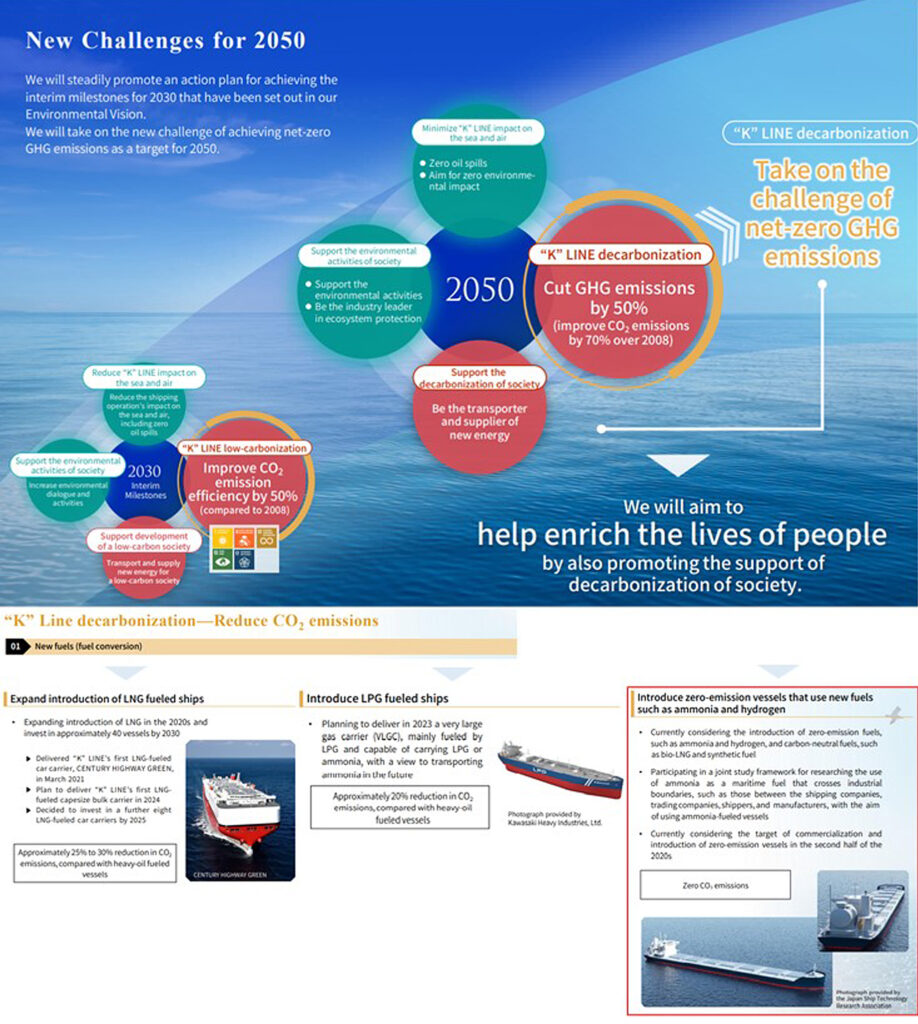
In November last year, we partially revised the “K” LINE Environmental Vision 2050, our long-term policy on environmental measures, replacing the goal of halving emissions by 2050, which was the same as the goal of IMO, with the new goal of the “Taking on the Challenge of Achieving Net-Zero GHG emissions” by 2050. As specific measures, we have already decided to build eight new LNG-fueled car carriers in addition to one that has already been completed, and also order one LNG-fueled capesize bulk carrier and one LPG-fueled LPG carrier. We also aim to introduce zero-emission vessels as early as possible by the end of the second half of the 2020s. The GHG Reduction Strategy Committee will further accelerate projects for both next-generation alternative fuels and safe environmental support technology.

As digitalization accelerates and values change, “K” LINE will proceed to not only improve the efficiency of land operations, but also implement initiatives to reduce the workload of seaborne employees and support safe operations. We will utilize digital technology such as the development of the recently announced engine plant operational support system utilizing AI and lookout and ship handling support system, in addition to the improvement of vessel data analysis technology leveraging AI technology in order to refine the Company’s core values of safety, environment and quality, and promote digital transformation (DX).

Finally, everyone in the “K” LINE Group has worked to balance everyday operations with measures to prevent infection as we have been forced to endure a variety of restrictions and limitations on our lives not only in Japan, but also overseas. Seaborne employees have also engaged in safe operation based on the strong resolve not to stop vessels for even a day despite the great difficulties faced when embarking and disembarking. Again, I would like to extend my deepest gratitude.

I wish all of you and your families good health and prosperity as we celebrate the New Year and pray that all our ships will navigate safely throughout 2022 and it is a year of new progress for the members of the entire “K” LINE Group.

“K” LINE Awarded CDP’ s “A List 2021” on Climate Change

Earning Highest Rating “A” for Six Consecutive Years

Kawasaki Kisen Kaisha, Ltd. (“K” LINE) is pleased to announce that the company was recognized as “A List 2021”, the top rating, on climate change from CDP, which is a non-profit global organization (NGO) engaging in activities for realizing sustainable economy, on December 7. The “A List” is awarded to companies that are evaluated as global leaders in their response to climate change. We have been selected as “A List” for 6 consecutive years.

In this year, due to stricter evaluation criteria, the number of recognized “A List” companies have decreased from 280 in the previous year to 200 in this year, of which 55 are Japanese companies.

We have set environmental measures as one of the major pillars of our management plan. In November 2021, we revised our GHG (greenhouse gas) emission reduction target of the long-term environmental guideline “K” LINE Environmental Vision 2050 -Blue Seas for the Future-(Note1), which we released the revised version in June 2020, and we are taking on the challenge of raising our target even further to net zero GHG emissions by 2050.

We have already introduced the first LNG-fueled car carrier and are also working to introduce various energy efficiency technologies, such as wind power propulsion “Seawing”. In the second half of the 2020 s, we aim to introduce zero emission vessels powered by new fuels and will not only reinforce initiatives for reducing our in-house GHG emissions but also actively support projects aimed at a decarbonized society. These initiatives include support vessels for projects related to the renewable energy field, such as offshore wind power, transportation of new energy sources, such as hydrogen and ammonia, and carbon capture and storage (CCS) transportation.

The “K” LINE Group will put its full effort into the decarbonization of the Company and society with the aim of achieving a sustainable society and enhance corporate value.

(Note1) Please see the following for details of our “K” LINE Environmental Vision 2050.

https://www.kline.co.jp/en/csr/environment/management.html

“K” Line : Joint Approval in Principle (AIP) for New Concept Design of Ammonia Fueled Car Carrier

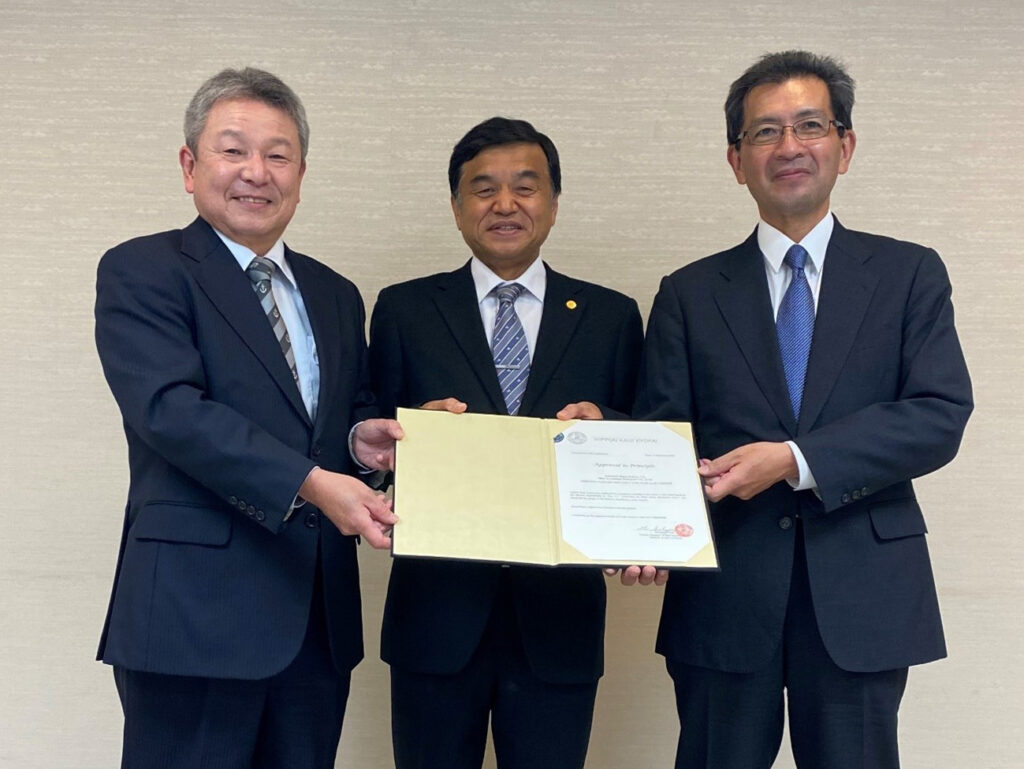
Kawasaki Kisen Kaisha, Ltd.(herein called “K” Line) and SHIN KURUSHIMA DOCKYARD CO., LTD.(herein called Shin Kurushima Dock) have joint AIP for the concept design of Ammonia Fueled Car Carrier from NIPPON KAIJI KYOKAI(herein called ClassNK).

As ammonia fuel does not emit carbon dioxide (CO2) during combustion, it is attracting attention as a next-generation marine fuel that will greatly contribute to the International Maritime Organization’s (IMO) strategic goal of GHG reduction by 2050, which is to reduce total GHG emissions by 50% from the 2008 level.

In this joint study, Shin Kurushima Dock, ClassNK and “K” Line formulated a potential risk assessment and safety measures for using ammonia as a fuel. Based on the safety evaluation of ammonia fuel, Shin Kurushima Dock and “K” Line worked on the development of a ship that can both reduce environmental impact and meet actual operational requirements.

While watching international regulations tendency of Ammonia fueled and infrastructure situation, we are planning to study ammonia fueled vessels in more detail.

AIP granting ceremony
( From left )  Dr. Toshiyuki Shigemi, Executive Director, Senior Executive Vice President, ClassNK
Mr. Yoshio Tanaka, Director, Executive Managing Officer, Shin Kurushima Dockyard
Mr. Toyohisa Nakano, Executive Officer, General Manager of Ship Technical Group,  K” LINE
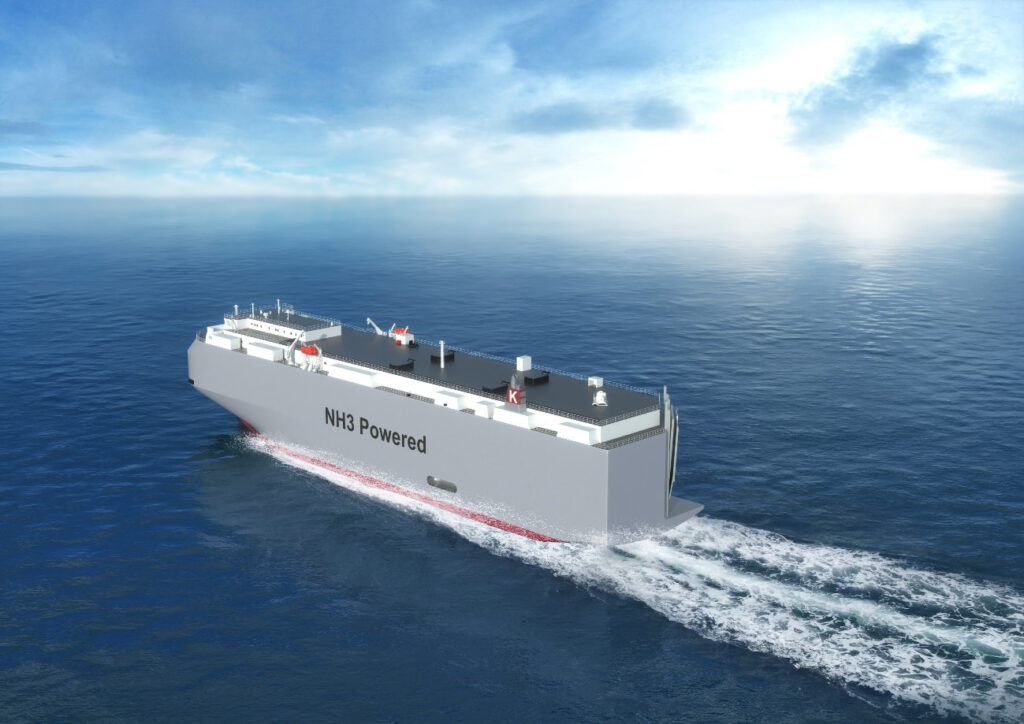
An image of Ammonia Fueled Car Carrier

“K” Line has revised a part of its long-term environmental guideline, “K” LINE Environmental Vision 2050*1, and has set a new goal for 2050 ” to achieve net zero GHG emissions”.

The world is facing an urgent need to strengthen its measures to climate change, and governments and industries are accelerating their efforts to achieve net zero GHG emissions in 2050. Under such circumstances, our group is challenging to achieve a higher goal of “Net Zero GHG Emissions in 2050”, and this research is one of the initiatives that will lead to the goal in 2050.

As a comprehensive logistics group based on the shipping industry, “K” Line Group will continue to work to reduce its environmental impact in order to realize a sustainable society and increase its corporate value, based on its corporate philosophy of “contributing to the enrichment of people’s lives”.

*1 “K” LINE ENVIRONMENTAL VISION 2050 can be seen in below link:

https://www.kline.co.jp/en/csr/environment/management.html#002

“K” LINE Obtains VSPS Regarding Australian Quarantine for Car Carrier

Kawasaki Kisen Kaisha, Ltd. (“K” LINE) has obtained certification of “Vessel Seasonal Pest Scheme” (VSPS) from Australia Department of Agriculture, Water and Environment for car carriers under “K” LINE’s operation on November 18th, 2021.

The Australian Government has reinforced their quarantine at vessels calling at Australian port to prevent invasion of an alien species such as stink bugs which would harm agriculture, and car carriers and cargo will be strictly inspected.

Agricultural pest, like stink bugs that are inspection target invade vessels during loading operation in winter season in the Northern Hemisphere. Stink bugs tend to be more active as the temperature rises near Australian ports.

Therefore, from September to May, which are summertime in Australia, are regarded as high-risk season.

VSPS certification has been granted to shipping company that meets standards set by Australian Government. “K” LINE’s measures (conducting thoroughness of cleaning inside cargo holds before cargo loading, checking cargo inside cargo holds while voyage and so on) have been determined to meet their criteria.

VSPS approval enables to proceed quarantine smoothly when vessels call Australian port, and we expect it will reduce vessels’ schedule delay risk.

“K” LINE continues to make efforts to reduce risks of invasion of an alien species into Australia in compliance with Australian environmental policy and provide high quality and stable services.

“K” LINE Conducts Trial Use of Marine Biofuel for Decarbonization on Car Carrier

Kawasaki Kisen Kaisha, Ltd. (“K” LINE) is pleased to announce that we have conducted a trial use of marine biofuel which was supplied by global integrated energy company bp on car carrier “POLARIS HIGHWAY”.

“K” LINE signed a deal for marine biofuel supply with bp.  The marine biofuel was delivered to the vessel at the Dutch port of Flushing on Nov 6th, 2021. After leaving Europe Emission Control Area, the vessel conducted the trial use of the marine biofuel.

Marine biofuel (Note 1) has the potential to become an environmentally friendly alternative fuel, it will be able to reduce CO2 by about 80-90% in the well-to-wake (from fuel generation to consumption) process without changing current engine specifications.

This marine biofuel uses renewable organic resources such as biomass which don’t utilize as foodstuff and feed crop.

In “K” LINE Environmental Vision 2050 -Blue Seas for the Future- (Note2), we have set the 2030 interim target of improving CO2 emission efficiency by 50% over 2008, surpassing the IMO target of 40% improvement. Furthermore, we set our new target for 2050 as “The Challenge of Achieving Net -Zero GHG Emissions”. As an action plan, we will continue to work on the introduction of new fuels, which have a low environmental impact and take on the challenge of achieving the targets set forth.

(Note1) Biofuel

Biofuels are made from renewable organic resources like biomass. Therefore, although CO2 is emitted after its combustion, those emissions are compensated with the CO2 absorbed during the growth of the biogenic sources used as raw materials.

Furthermore, for its production, waste and residues that need to be disposed of can be reused. Some examples are Used Cooking Oil collected from restaurants and residential households and animal fats. This will avoid the use of raw materials that compete with food or feed market.

Both the biofuels feedstocks origination and its production along the supply chain are sustainability certified following the criteria of international recognized standards so its generation and traceability are guaranteed by independent third party, ultimately contributing to deployment of biofuels as an environmentally friendly alternative to fossil fuels around the world.

(Note2) “K” LINE Environmental Vision 2050 “Blue Seas For the Future”

As an action plan for GHG reduction, we are introducing zero-emission fuels such as ammonia and hydrogen fuels, as well as carbon-neutral fuels such as bio-LNG and synthetic fuels.

“K” Line : Introduction of AI-Powered Contract Intelligence Platform

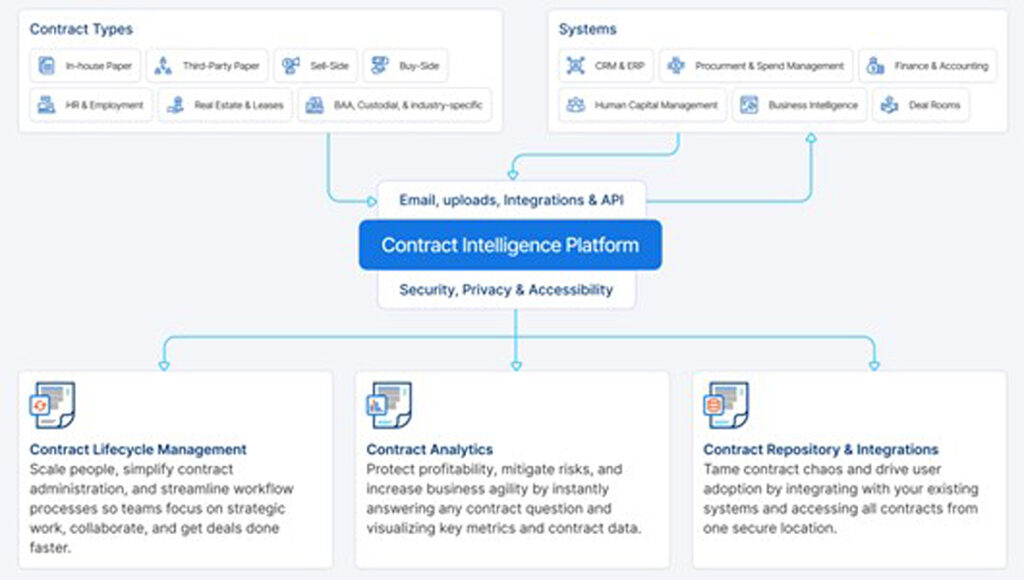
We, Kawasaki Kisen Kaisha Ltd. (“K” LINE), have decided to introduce a cloud-based AI-powered “Contract Intelligence Platform”(Evisort)provided by Evisort Inc. (Note1) in our contract ecosystem.

We have invested a significant amount of effort in the management and risk control of the vast and diverse contract documents generated by global business operations. By utilizing Evisort, we will improve operational efficiency by centrally managing contracts in the cloud. It also works with other systems to optimize and standardize complex and fragmented end-to-end contract lifecycles, from contract creation and negotiation to approval and post-contract management including reporting. In addition, we will be able to recognize and manage contract related risks efficiently and effectively by Evisort with cutting-edge AI to enable immediate analysis of marine transportation and logistics specific contracts.

We will strengthen risk management and governance through the utilization of Evisort. At the same time, we will strive to improve corporate value through better use of digital technology and operational efficiency through company-wide BPR, as stipulated in the management plan. (Note2)

Functional overview of Evisort]

(Note1) Evisort Inc. (https://www.evisort.com/):

Evisort is the leading provider of contract management and AI technology for legal, procurement, sales, finance, and IT teams,founded in 2016 by Harvard Law and MIT alumni. Evisort’s Contract Intelligence Platform delivers rapid ROI in 30 days by centralizing contracts without requiring migration, using AI to track and search metadata and provisions without manual data entry, and enabling teams to draft, redline, approve, sign, report on, and renew contracts. Evisort is headquartered in Silicon Valley and backed by leading strategic and institutional investors including General Atlantic, Vertex Ventures, M12 (Microsoft’s venture fund), Amity Ventures, Village Global, and Serra Ventures.

(Note2) Management Plan (Released on May 10th, 2021)

https://www.kline.co.jp/en/ir/management/strategy.html